
Khaleda Zia is one of the most well-known and long-lasting political leaders in Bangladesh’s recent history. Her name is closely linked to the country’s fight for democracy, changes in politics, and the growth of party politics since the early 1990s. Khaleda Zia has been the chairperson of the Bangladesh Nationalist Party (BNP) and a former Prime Minister. She has been a key figure in shaping how Bangladesh is run. Khaleda Zia’s political journey shows not only her own rise but also the larger story of how Bangladesh’s politics have changed since it became independent.
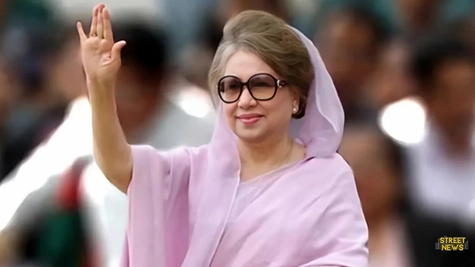
Family and Early Life
Khaleda Zia was born in Dinajpur, which was then British India, to a family that wasn’t involved in politics. Her early life was mostly private, with a focus on school and family duties. After she married Ziaur Rahman, who was an important figure in Bangladesh’s independence and later became the country’s President, her political identity began to take shape. Khaleda Zia got involved in politics after the assassination of Ziaur Rahman in 1981, even though she had kept her distance from public life before that.
Getting into politics
Khaleda Zia got into politics at a time when Bangladesh was politically unstable. The Bangladesh Nationalist Party needed a leader to keep its political legacy alive after Ziaur Rahman’s death. Khaleda Zia slowly became a leader in the party, and she eventually became its chairperson. Her rise was important because she went from having little to no political experience to being one of the most powerful people in national politics, changing the way women lead in South Asia.
The Bangladesh Nationalist Party and Khaleda Zia
Khaleda Zia used the Bangladesh Nationalist Party as her main way to build her political career. The party focused on nationalism, democracy, and economic growth while she was in charge. Khaleda Zia worked to strengthen the party’s organizational structure and get more people involved at the local level. Her leadership helped BNP become one of the two most powerful political parties in Bangladesh, setting up a two-party system that has shaped national politics for decades.
First Time as Prime Minister
After parliamentary democracy was restored in 1991, Khaleda Zia became Prime Minister of Bangladesh. This time was important in history because it marked the end of military-backed rule and the return to a parliamentary system with elected representatives. Khaleda Zia’s first term was all about making changes to institutions, opening up the economy, and making democratic norms stronger. During this time, her leadership earned her a reputation as a strong political leader during a time of great change.
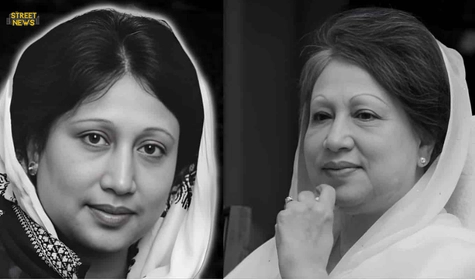
How to govern and make policy
Khaleda Zia’s style of governing focused on economic policies that were good for business, building up infrastructure, and investing in the social sector. Her governments worked to make education more accessible, grow the private sector, and expand programs for rural development. Even though there were still economic problems, her time in office saw slow but steady improvements in important development indicators. Khaleda Zia led with a strong central authority and decisions made by the party.
Second Term and Problems in Politics
In the early 2000s, Khaleda Zia became Prime Minister for the second time. During this time, there was more political rivalry, more protests, and more intense competition with opposition groups. During this time, governance had problems with political stability, law and order, and trust in institutions. Even though things were tough, Khaleda Zia stayed a powerful political figure, which helped her party’s standing in the national framework.
Part in Bangladesh’s Two-Leader Political Era
People often talk about Khaleda when they talk about the time in Bangladesh when two powerful women leaders were in charge of the country. This time shaped the way people talked about politics, how parties worked together, and how elections worked. Khaleda Zia’s role during this time helped women in politics become more visible, even though the rivalry made political polarization worse. During this time, her influence went beyond running the government and changed the political culture itself.
Changes in the law and politics
Khaleda Zia had legal and political problems later in life that had a big effect on her public role. These changes made it harder for her to be directly involved in politics, but they didn’t make her less important to the Bangladesh Nationalist Party. Supporters still see Khaleda as a key part of the party’s identity, and her legal problems are still being talked about in the country and around the world.
Readers can get more information about the legal and political situation by reading unbiased news from https://www.bbc.com.
Khaleda Zia’s Impact on Women in Politics
Khaleda Zia’s time in politics has had a lasting effect on how women get involved in politics in South Asia. She was one of the first women to be Prime Minister in the area, which went against traditional ideas about women’s roles in leadership. Her presence at the highest levels of government showed that women could lead major political parties and get a lot of political support in conservative settings.
Global Presence and International Relations
While she was in office, Khaleda Zia met with leaders from both the region and the world, which helped Bangladesh’s diplomatic ties. Her administrations put a lot of stress on working together in the region, making trade agreements, and taking part in international forums. Khaleda Zia’s foreign policy tried to find a balance between the needs of her country and the needs of her neighbors and international organizations.
How people see it and its political legacy
People’s opinions of Khaleda Zia have changed over time because of her choices as a leader, her political alliances, and events in the country. People who support her see her as a symbol of party loyalty and democratic resistance. Critics say that her time in office was full of political fights and problems with running the government. Khaleda Zia’s role in Bangladesh’s political history is still very important and will always be.
Khaleda Zia in Modern Political Conversation
Khaleda Zia still has an impact on political discourse through her symbolic leadership and party legacy, even when there isn’t much going on in public. Her name is still a big part of talks about political change, how to get more people involved in democracy, and who should lead the party next. Khaleda Zia’s continued importance shows how long her political career will have an effect.
Comparison to Other Heads of State
Khaleda Zia is different from other national leaders because she has been in power for a long time and has a lot of influence in a very competitive political environment. Her experience as a leader is unique because she has been able to keep her party together for decades. People who want to learn more about political leadership in different countries can also read our related articles about the history of political parties and leaders in Bangladesh.
Khaleda Zia is still one of the most important people in Bangladesh’s political history. Her rise from a private citizen to Prime Minister, party leader, and long-lasting political symbol shows how complicated Bangladesh’s democracy has become. Khaleda Zia has had a big impact on the country’s political structure through her many terms in office, fierce political competition, and lasting influence on her party. Understanding her role gives us a better idea of how politics in Bangladesh have changed over time and how they will change in the future.
Stay tuned for more news and insights from Street News!